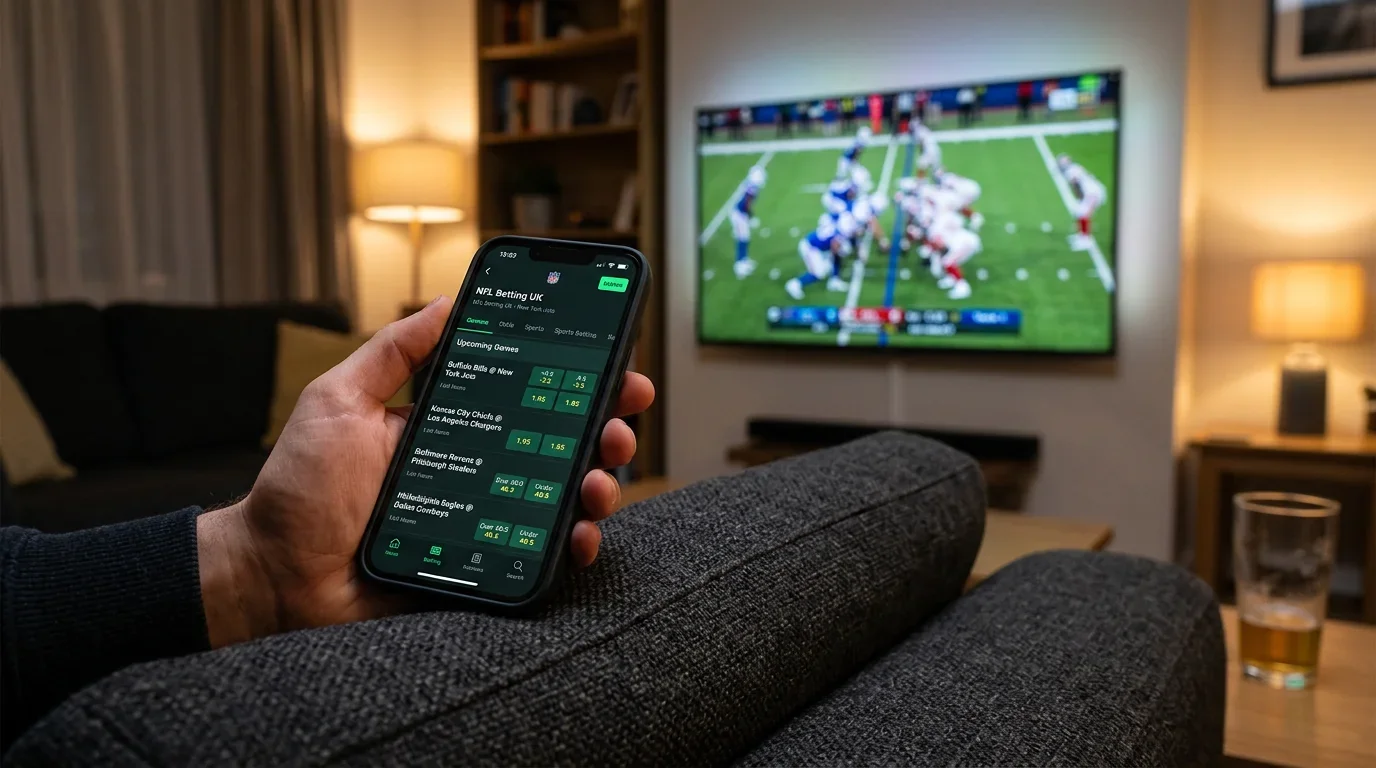
NFL Betting Cashout: How Early Settlement Works in the UK
 Available in US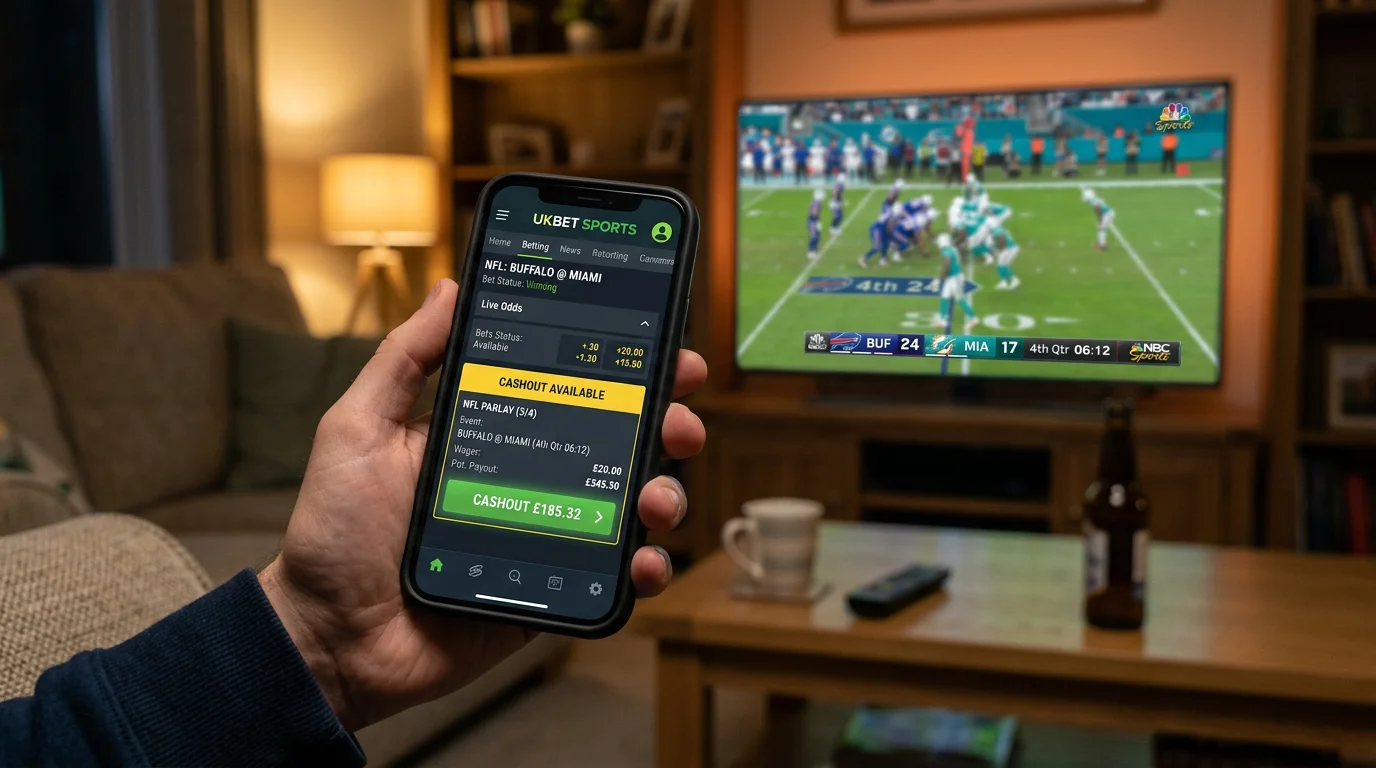
NFL Betting Cashout: How Early Settlement Works in the UK
I cashed out an NFL bet for the first and worst time in 2021. It was a 3-fold accumulator, two legs had won, and the third team was winning by 10 points midway through the third quarter. The cashout offer was £140 on what would have been a £210 payout. I took the £140 because the offer was flashing at me and the narrative in my head was “lock in the profit.” The third leg won easily. I left £70 on the table because I panicked, and the panic was manufactured by a cashout button designed to exploit exactly that impulse.
Cashout is one of the most powerful tools available to UK bettors — and one of the most misunderstood. Every major UK bookmaker offers it, and for NFL betting specifically, where games last three hours and momentum swings can be dramatic, the option to close your position early feels like a gift. Sometimes it is. More often, it is a tool that costs you money because the bookmaker builds significant margin into every cashout offer. Understanding when cashout genuinely serves your interests versus when it serves the bookmaker’s is the difference between using the tool and being used by it.
Full Cashout Versus Partial Cashout
Full cashout closes your entire position. You accept the offer, the bet is settled, and whatever happens afterwards is irrelevant to your bankroll. The amount offered is the bookmaker’s assessment of your bet’s current value minus their margin. If you had a £10 pre-game bet on the Chiefs -3.5 at 10/11, and the Chiefs are up by 14 in the third quarter, the cashout offer might be £16 against a potential payout of £19.09. The £3.09 difference is the bookmaker’s cashout margin.
Partial cashout lets you close a portion of your bet while leaving the rest active. If the full cashout offer is £16, you might cash out 50% (receiving £8) and let the remaining 50% ride. This is a hedging tool disguised as a cashout feature, and it is genuinely useful in the right circumstances. You lock in some profit while maintaining exposure to the full payout. The integration of live streaming into UK betting platforms has boosted user engagement by 25%, and partial cashout is used most heavily during live NFL games where the situation shifts rapidly.
For accumulators, cashout operates on the surviving legs. If you have a 4-fold acca with two legs settled as winners and two legs still in play, the cashout offer reflects the combined value of those remaining legs. A partial cashout here means securing a portion of your accumulated value while keeping some exposure to the remaining outcomes. During NFL Sunday, when your acca might depend on a late-window game while the earlier results are already banked, partial cashout gives you tactical flexibility.
One operational detail that trips people up: cashout offers are not static. They update continuously during live NFL games as the score, time remaining and market odds change. An offer of £140 at the two-minute warning might drop to £120 if the opposing team scores on the next drive. The offer can also be temporarily suspended during key moments — turnovers, reviews, timeouts — when the bookmaker cannot accurately price the position. Watching the cashout offer fluctuate can create anxiety that leads to impulsive decisions, which is exactly the behavioural pattern the feature is designed to trigger.
When Cashout Costs You Value
Here is the uncomfortable truth: the cashout offer is almost always worse than the mathematical fair value of your bet. Bookmakers build margin into cashout pricing just as they build margin into opening odds, and the cashout margin is typically wider because the bettor is in a emotionally vulnerable position — your team is winning, you can see the profit, and the fear of losing it creates urgency. The UK’s record gross gambling yield of £16.8 billion in 2025 includes cashout margin as a meaningful revenue line, and operators have every incentive to make the feature attractive while pricing it in their favour.
When does cashout genuinely make sense? In situations where new information has fundamentally changed the likely outcome of your bet, and the cashout offer does not fully reflect that change. If a starting quarterback goes down with an injury in the second quarter and your pre-game bet was based on his performance, cashing out before the market fully adjusts to the backup quarterback’s presence is a legitimate use of the tool. The bookmaker’s cashout algorithm updates quickly, but there is a brief window where the offer may not have fully absorbed the impact of breaking news.
Another scenario: hedging a futures position. If you backed a team at 20/1 pre-season and they are in the Conference Championship, the cashout offer gives you one option for closing your position. But compare it against what you could achieve with a manual hedge — placing a separate bet on the opposing team to guarantee profit regardless of the outcome. In my experience, manual hedging consistently produces better total returns than cashout, because you control both legs of the hedge rather than accepting the bookmaker’s packaged price. The cashout is more convenient; the hedge is more profitable.
When does cashout cost you the most? When your bet is likely to win and you cash out purely because the profit is visible. Studies on bettor behaviour show that people cash out winning positions far more than losing positions — exactly the opposite of rational strategy. If your analysis was correct pre-game and the game is playing out as expected, the cashout is paying you less than the bet is worth. Letting the bet run is the higher-EV decision, even though it feels riskier in the moment.
My personal rule: I cash out only when the reason for my original bet has been invalidated by new information. If I backed the Bills because of their pass rush advantage and the Bills’ best pass rusher leaves injured, the foundation of my bet has changed. That is a legitimate cashout trigger. If I backed the Bills and they are winning as expected, I let it ride. The cashout button is not a strategy — it is a temptation with a price tag.
Can I cash out an NFL accumulator if one leg has already won?
Yes. Most UK bookmakers allow cashout on accumulators at any stage, including when some legs have already been settled as winners. The cashout offer reflects the value of the remaining unsettled legs combined with the confirmed winnings from settled legs. Partial cashout is also available on accumulators at most operators, letting you secure a portion of the accumulated value while keeping some exposure to the remaining selections.
Why is my NFL cashout offer lower than my expected winnings?
The bookmaker builds margin into the cashout price, similar to the overround in their opening odds. The cashout offer represents the current market value of your bet minus the bookmaker’s cashout margin, which is typically wider than the margin on standard odds. The offer also accounts for risk — the bookmaker is taking on uncertainty by settling your bet early, and they price that risk into the offer. During volatile moments in NFL games — turnovers, two-minute drills, overtime — the cashout margin may widen further to protect the bookmaker from rapid price swings.
Written by the editors at Online Betting nfl Games.