NFL Bet Builder: Custom Multiples Within a Single Game
 Available in US
NFL Bet Builder: Custom Multiples Within a Single Game
Three years ago, if you wanted to back the Chiefs to win, Patrick Mahomes to throw for 300+ yards, and the game to go over 50 points, you needed three separate bets. Now you can combine all three into a single wager with a single click. The bet builder — known as a same-game parlay in the US — has become one of the most popular products at UK sportsbooks, and the NFL is arguably the sport it was designed for.
The reason is structural. American football generates an enormous volume of statistical outcomes within a single game: passing yards, rushing yards, receiving yards, touchdowns, sacks, interceptions, completions, first downs. Each of these becomes a potential leg in a bet builder. Andrew Rhodes, Chief Executive of the UK Gambling Commission, noted at the ICE 2025 World Regulatory Briefing that sports beyond traditional football and horse racing are growing in use across UK platforms, with NFL specifically called out as one of the expanding markets. Bet builders are a key driver of that growth, because they let punters engage with the depth of NFL statistics in a way that a simple match winner bet never could.
Every major UK bookmaker now offers some version of this product — Build Your Bet, Bet Builder, Request A Bet, Same Game Multi. The names differ, the core mechanic does not. You pick selections from within a single game, the bookmaker prices the combined bet, and everything has to land for you to collect.
Step-by-Step: Creating an NFL Bet Builder
I want to walk through a real-world example because the best way to understand bet builders is to build one. Let us say it is Week 8, Kansas City Chiefs hosting the Cincinnati Bengals on a Sunday night — a primetime matchup with heavy TV coverage and deep markets.
Step one: pick the game. Navigate to your bookmaker’s NFL section and select the Chiefs-Bengals fixture. Most platforms then present the bet builder option prominently, sometimes as a dedicated tab.
Step two: add your first leg. I start with the match result — Chiefs to win. This anchors the bet and influences how I think about the other legs.
Step three: add a player performance prop. Mahomes over 274.5 passing yards feels right for a home game against a Bengals defence that historically gives up passing yardage. During Super Bowl LIX, prop bets accounted for 60% of the total wagering volume — evidence that individual performance markets are where modern bettors focus their attention.
Step four: add a game-level prop. I like the total points over 48.5. Both teams feature aggressive offences, and this line sits within the range I would expect for this matchup.
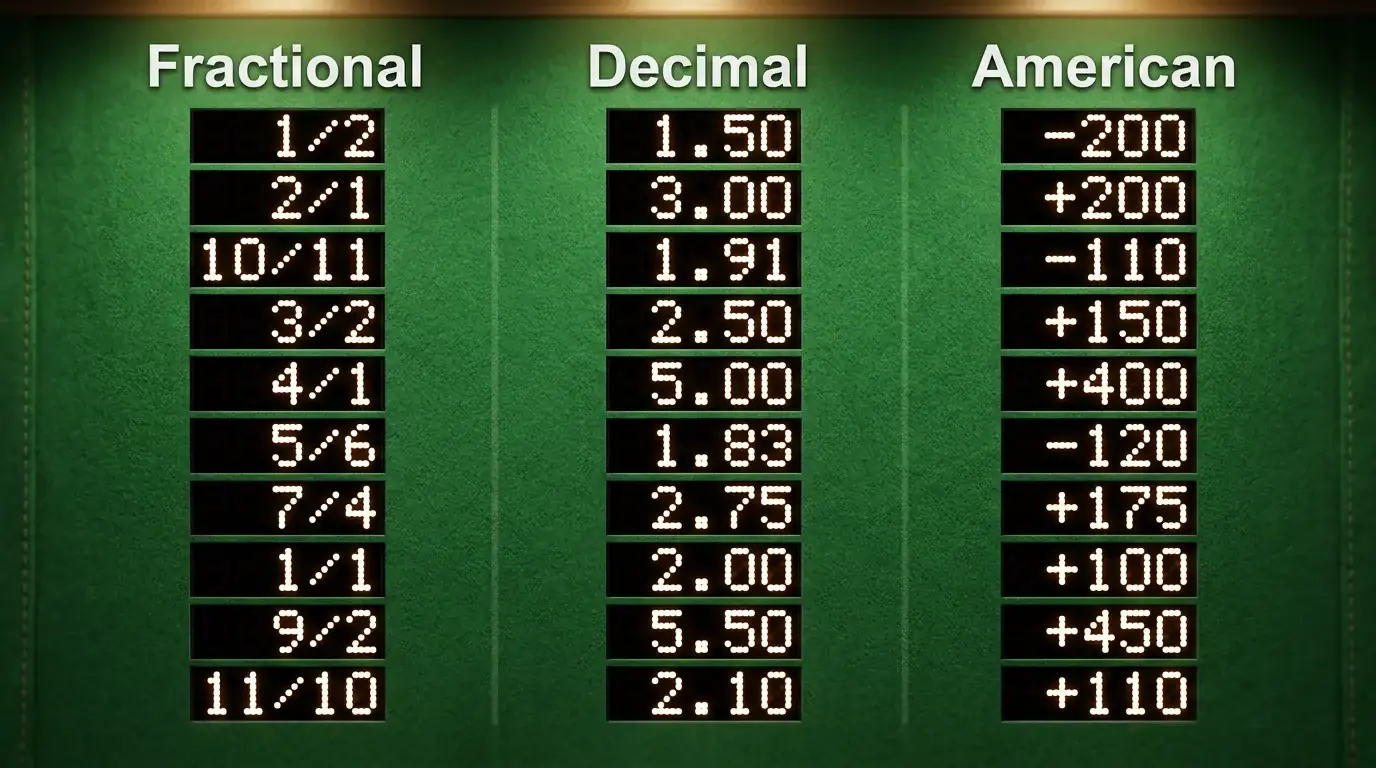
The bookmaker now prices the combined bet. Individual odds might be 4/7, 10/11, and 10/11 respectively, but the bet builder price will not simply multiply those together. The operator applies a correlation adjustment and typically adds extra margin. You might see a combined price of 3/1 when the raw multiplication suggests 3.5/1. That gap is where the bookmaker earns.
Step five: check the price against your assessment. Is 3/1 fair? If you think all three outcomes have a genuinely strong chance of co-occurring, it might represent value. If you are shoehorning in the third leg because the combined odds “look better,” you are falling into the trap the product is designed to set.
Correlation Rules and Rejected Combinations
I tried to build an NFL bet builder last season combining “Chiefs to win” with “Travis Kelce over 74.5 receiving yards” and “Travis Kelce anytime touchdown scorer.” The platform rejected it. I was confused until I thought about it — if Kelce scores a touchdown, his receiving yards are almost certainly elevated, and if both of those happen, the Chiefs are very likely winning. The three legs are so heavily correlated that pricing them as independent events would massively underestimate the true probability.
Every bookmaker has its own correlation engine, and these engines decide which combinations are allowed and which are blocked. The general principle: the more directly one outcome influences another, the more likely the pairing gets rejected. You will consistently see these combinations blocked or restricted across UK platforms:
A player to score a touchdown combined with the same player’s rushing or receiving yards over — highly correlated because a scoring drive almost always adds significant yardage.
Match result combined with the winning team’s quarterback to throw over a certain number of touchdowns — if the QB throws three touchdowns, his team is very likely winning.
Total points over combined with both teams to score over their individual team totals — these are mathematically interchangeable in many configurations.
The combinations that do get through tend to involve legs with weaker correlations. A match result combined with a defensive stat (total sacks) and a player from the opposing team (receiving yards) usually passes the filter because the directional relationship is less clear. Building around these weaker correlations is where the skill in bet builder construction lies. For a deeper look at the range of prop markets available, including which player stats tend to offer the most independent pricing, that guide breaks it down by category.
Assessing Value in Bet Builder Odds
Here is something most punters do not realise: bet builder margins are significantly wider than standard single-bet margins. On a typical moneyline or spread bet, the bookmaker’s overround sits around 4-6%. On a bet builder with three legs, the effective margin can stretch to 15-20%. The product is designed to be high-margin because it is high-engagement — punters enjoy the customisation, the narrative of building “their” bet, and the dopamine hit of longer odds. Bookmakers know this and price accordingly.
How do you check if you are getting a reasonable deal? The crude method: price each leg individually, multiply the decimal odds, and compare to the bet builder price. If the bet builder pays 4.0 but the raw multiplication gives 5.2, the bookmaker is taking a 23% cut. That is steep. If the gap is closer to 10-12%, you are in a more reasonable range. This matters in a UK online betting market where 78.47% of all wagering revenue flows through digital platforms — bet builders are overwhelmingly a digital product, and the volume of money moving through them is significant.
I apply a personal rule: I never build a bet builder with more than three legs. Each additional leg compounds the margin, and by the time you hit five or six legs, the bookmaker’s effective cut can exceed 30%. The entertainment value might justify it for some punters, but from a value perspective, it is expensive entertainment. Three legs gives you the creative flexibility of the product while keeping the margin drag manageable.
One more consideration: timing. Bet builder odds can shift as game day approaches and player props are adjusted. Building your bet early in the week sometimes locks in lines that move in your favour by kickoff. Other times, waiting for final injury reports gives you better-informed selections. There is no universal rule — it depends on the specific game and which legs you are targeting.
Can I cash out an NFL bet builder before the game ends?
Most major UK bookmakers offer partial or full cashout on NFL bet builders, though availability depends on the specific selections and the stage of the game. Cashout is more commonly available during the first three quarters and may be suspended during critical moments like red-zone drives or turnovers. The cashout offer will always be less than the potential payout, because the bookmaker builds margin into the cashout price just as they do into the original odds.
Why does my bet builder get rejected when I add certain player props?
Bookmakers use correlation engines that block combinations where the outcomes are statistically linked. If one leg strongly predicts another — for example, a player scoring a touchdown and the same player exceeding a yardage threshold — the platform considers them too correlated to price as independent events. The rejection protects the bookmaker from offering artificially generous odds. Try replacing one of the correlated legs with a selection from a different statistical category or a different player.
Published by the Online Betting nfl Games team.